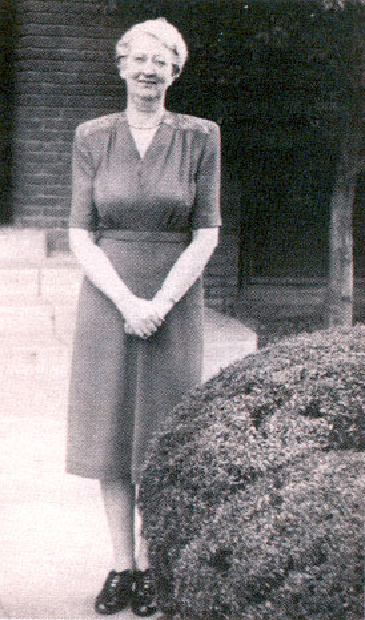
Jennie Belle Lasby Tessmann (1882–1959) was a pioneering American astronomer and educator whose career bridged groundbreaking research and community science education. Born in Castle Rock, Minnesota, she earned her bachelor's degree from Carleton College in 1904 and a master's in astronomy from Mount Holyoke College in 1906. That same year, she became the first woman research assistant at Mount Wilson Observatory, working alongside prominent astronomers like George Ellery Hale and Walter S. Adams. During her tenure from 1906 to 1913, she co-authored significant studies on solar spectroscopy, including a 1911 paper on the Sun's rotation period.
Tessmann's contributions at Mount Wilson Observatory exemplify the often-overlooked roles women played in early 20th-century astronomy. Employed as a "computer," she performed complex calculations and analyses critical to astronomical discoveries. Despite her substantial input, recognition was limited, a common scenario for women in science during that era. The observatory's gendered workspace and hierarchical structure often relegated women to behind-the-scenes roles, with their work frequently uncredited.
After a brief research stint in Germany and the UK, interrupted by World War I, Tessmann returned to the U.S. and began teaching astronomy and history at Santa Ana Junior College in 1919. She taught there for 27 years, inspiring generations of students. Tessmann was instrumental in establishing the Bishop Observatory in Orange County in 1923, serving as its technical advisor and using it as a teaching facility. Beyond academia, she was active in civic life, leading organizations like the City Teachers' League and the Business and Professional Women's Club in Santa Ana.
In recognition of her contributions, Santa Ana College named its planetarium the Tessmann Planetarium in her honor in 1967. Her enduring legacy is reflected in both her scientific work and her commitment to public education and community engagement.